The foundation of sobriety
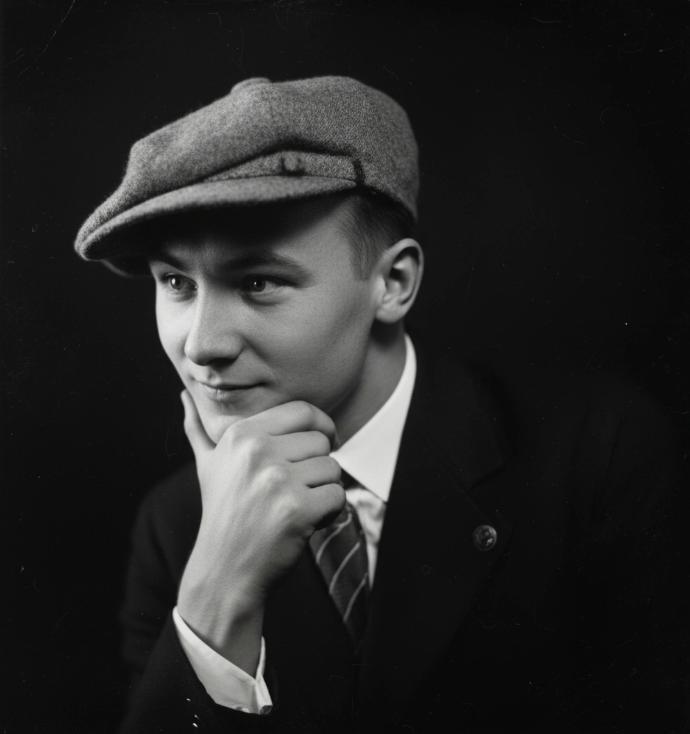
For the Oeyen brothers, everything began in 1932 as tailors. Not with plans. Not with ambitions. But with work.
In a workshop in the Kempen, the lights came on early. Fabrics were laid out. Measurements taken. Stitches set. A jacket wasn’t made quickly. It was built up. Guided by hands that knew what they were doing.
Attention to detail wasn’t pride. It was respect. For the material. For the person who would wear it. Nothing left the workshop unless it was right. Not because someone was watching. But because carelessness had no place. In the evening, the work fell quiet. The day was let go. The house grew smaller. That was their world. Simple. Careful.
An instinct to protect
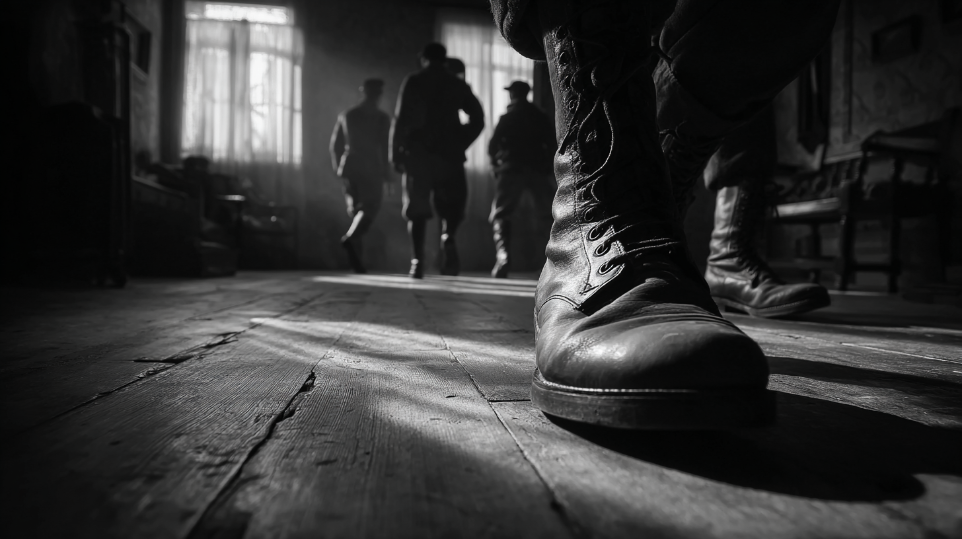
Then that world is interrupted. During the Second World War, Albert is taken away to work in Germany. Against his will. Away from home. Away from his family. His son Gust is still a child. The soldiers' boots reach his eye level. Black. Heavy. Imposing. He kicks at them. Not out of heroism, but out of pure love for his father. It does not help. Albert disappears.
A discovery in the cold
Albert’s days are cold. Harsh. Without a home. In that foreign world, the night feels different too. It is not safe. It is not warm. But right there, something unexpected happens. Under a primitive down duvet, the cold is muted. The noise falls away. The world closes itself off. The night is still strange—but no longer restless. Time slows down.
The revelation of rest
In that silence, a realization dawns. The night does not have to be a dark void. It can become a transition. A protection. A place where you need not carry anything. Where the day may be shut out. That feeling takes root.
A world that waited
When Albert returns, nothing is certain anymore. Many houses are damaged, others have vanished entirely. People live broken lives. The war is over, but the fear is not. Nights are restless. Minds remain awake. The world feels harsh. And in the atelier, everything changes too. The demand for tailoring drops. Certainty disappears. But Albert does not return empty-handed. He carries something with him that he wants to pass on.
The art of slowing down
He does not return with something new. Nor with an answer. But with an insight. That the night can be softer. That time can slow down. That the world may stay outside for a moment. That insight takes shape in what he creates. Not to show, but to use.
The new path
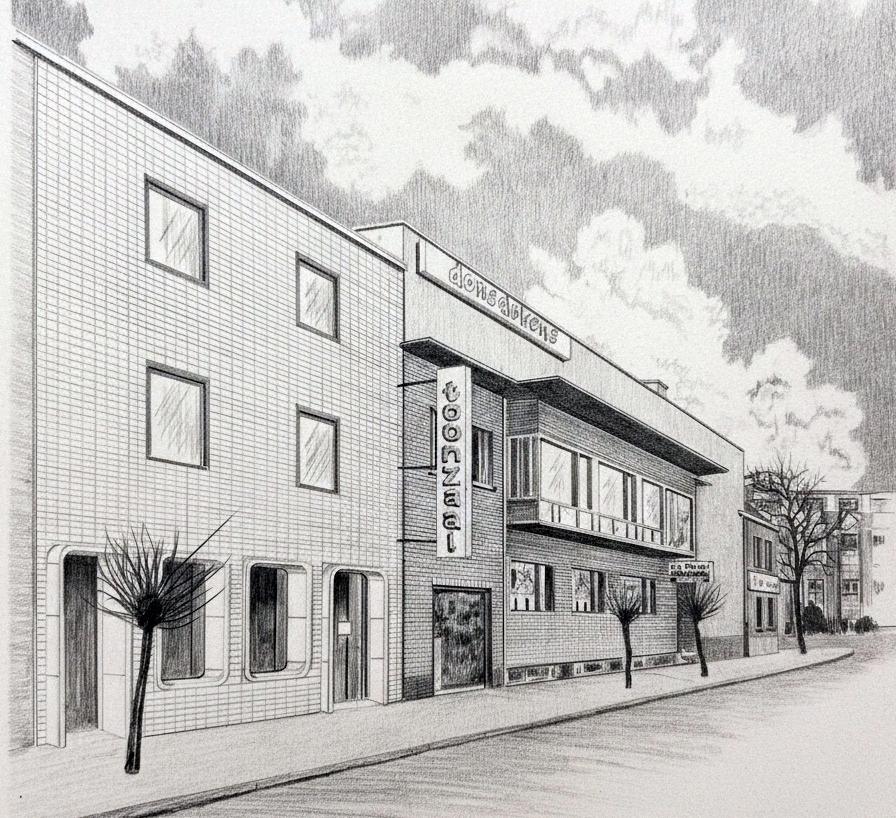
Daarom trekt Albert naar Frankfurt. Niet voor zichzelf. Hij kent dat gevoel al. Hij vertrekt omdat hij weet dat anderen het niet kennen. Met zijn spaarcenten op de borst gaat hij op weg. Zonder plan. Zonder zekerheid. Maar om te zoeken naar wat nodig is om die stille ervaring mogelijk te maken.
Wat hij daar vindt, is geen handel. Het is materiaal. Zo ontstaat het eerste donsdeken van Fja-Oeyen. Niet als product. Maar als een manier om rust door te geven.
Present & future
The generations that follow carry that insight further—each in their own way. Gust brings in warmth. Humanity. Life. Piet guards silence. Structure. Slowness. And today, we stand side by side. Not to accelerate, but to protect.
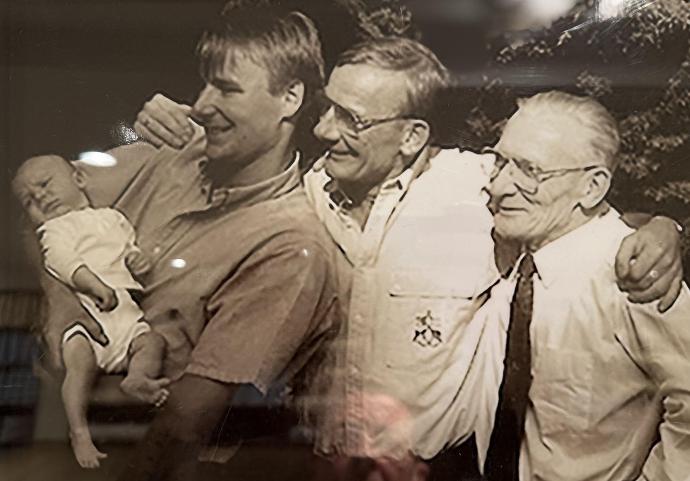
When you step into Fja-Oeyen, you enter a house that knows this journey. A house that understands the night can sometimes be dark. And that it can also become something else. Quiet. Secluded. Decelerating. You have nothing to prove. You are given time. Attention. Space. That is what we, generation after generation, strive to make possible.
Softly. Silently. With care.